
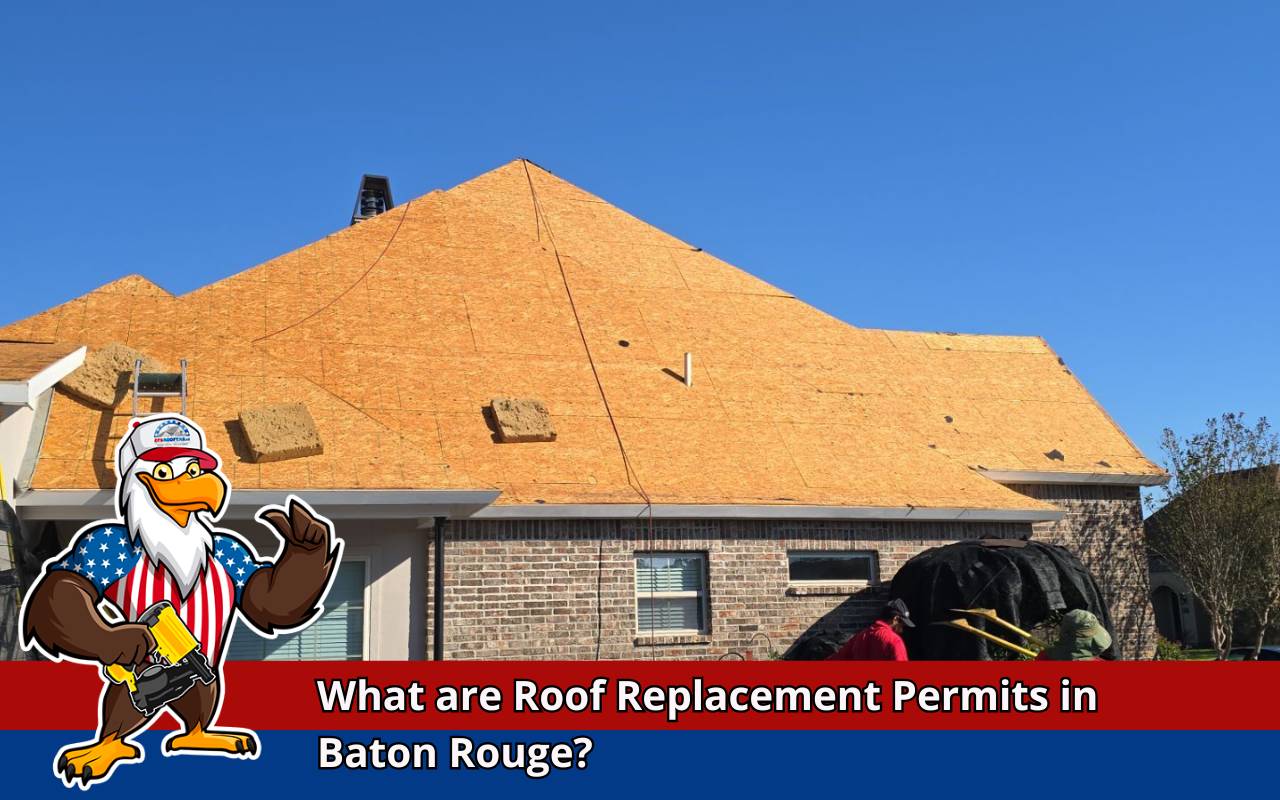
Planning a new roof in Louisiana’s capital can raise a lot of questions about rules, timing, and surprise fees. Understanding Roof Replacement Permits in Baton Rouge helps you avoid delays, failed inspections, and HOA conflicts. This guide walks you through requirements, permitting steps, and inspections so you can upgrade your roof confidently and protect your home’s value for years ahead.
What are Roof Replacement Permits in Baton Rouge?
These permits are official approvals from the city that confirm your roof work meets building codes and safety standards. When you secure Roof Replacement Permits in Baton Rouge before work starts, you reduce the risk of fines, insurance issues, or stop-work orders. They also create a documented history of upgrades that can help with resale, insurance claims, and future repairs.
Why permits matter for your roofing project
Permits protect more than paperwork—they protect your home, budget, and insurance coverage. By working through proper permitting steps, you show lenders, insurers, and future buyers that the work on your home was done safely and legally by qualified professionals.
- Safety first: Inspectors verify that materials, fastening, and ventilation follow current building codes.
- Insurance protection: Many carriers may deny claims if major work was done without permits or required inspections.
- Resale value: Documented roof upgrades reassure future buyers and home inspectors.
- Less project risk: Proper permits help you avoid stop-work orders, redoing work, or unexpected legal costs.
Choosing a licensed roofer that understands local rules and offers coordinated roofing installation in Baton Rouge can simplify every step of the process.
A clear plan for your permitting steps helps your project start and finish on schedule. Most homeowners will submit information through the city’s portal while also confirming any HOA rules. A trusted contractor can often prepare drawings, scope details, and code-compliant specs for you.
- Confirm requirements: Review city guidelines for roof work and any neighborhood or historic-district rules.
- Check HOA rules: If you belong to an HOA, confirm approved colors, materials, and allowable styles before applying.
- Choose a licensed roofer: Verify licenses and insurance, and ask if they routinely manage permit applications.
- Gather documentation: Collect site details, roof layout, contractor information, and a clear scope of work.
- Submit your application: Complete the online form or in-person paperwork and pay the applicable permit costs.
If a storm is involved, you may also coordinate a roof insurance claim so that permitting, inspections, and claim documentation stay aligned.
Timeline, inspections and HOA coordination
Understanding how timing, inspections, and HOA approvals fit together helps you avoid frustrating delays. Think of the project in stages: application, review, active construction, and final sign-off.
- Pre-approval stage: City officials review your application; HOA boards review appearance and material choices.
- Pre-install inspection: Some projects require an inspection of the existing roof deck or structure before tear-off.
- Mid-project checks: If structural elements are replaced, additional inspections may be required before covering the deck.
- Final inspection: Inspectors confirm that installation matches the approved plans and code.
Because HOA meetings and city review calendars can differ, starting both processes early reduces the chance that inspections or approvals delay your contractor’s schedule.
Frequently Asked Questions
Do I really need a permit for a roof replacement on my home?
In most cases, yes. Any full roof replacement or structural change will typically require a permit and one or more inspections. Skipping permits can create insurance, safety, and resale problems later. A local roofer who regularly works with Baton Rouge officials can confirm what your specific project needs.
Who should handle the permitting steps—me or the roofing contractor?
Many homeowners prefer that their contractor prepare and submit the application, since they already have drawings, photos, and technical details. You can still be listed as the owner on the permit while your contractor manages daily communication with the city, inspections, and any clarifications required during the review.
How do HOA rules affect my roof replacement project?
HOA rules typically focus on appearance—such as shingle color, material type, and visible accessories like vents or ridge caps. You usually need HOA approval in addition to city permits, not instead of them. Get HOA sign-off in writing so your project is protected if board members change mid-project.
What roof replacement costs should I expect beyond materials and labor?
Beyond the roof itself, you may see line items for permit fees, inspection-related visits, debris disposal, and necessary code upgrades. A transparent written proposal should separate these costs so you can see how much is going toward labor, materials, and compliance-related expenses.
How can I get personalized guidance for my Baton Rouge roof project?
If you’d like help planning your project, you can request an on-site roof evaluation. A specialist can review your current roof, outline likely permitting needs, discuss HOA considerations, and provide a clear estimate that accounts for inspections and potential insurance coordination.
Final approval, costs and next steps
Once work is complete and all inspections are passed, your permit is formally closed and your new roof is recognized as code-compliant. That final approval is your proof that Roof Replacement Permits in Baton Rouge were correctly obtained and satisfied. For ongoing maintenance, upgrades, or related projects, you can explore additional roofing services in Baton Rouge tailored to your home.
References
- Why these states are helping people pay for stronger roofs – The Washington Post
- Jefferson Parish residents looking to make repairs to their roofs will now need a permit – WDSU News