
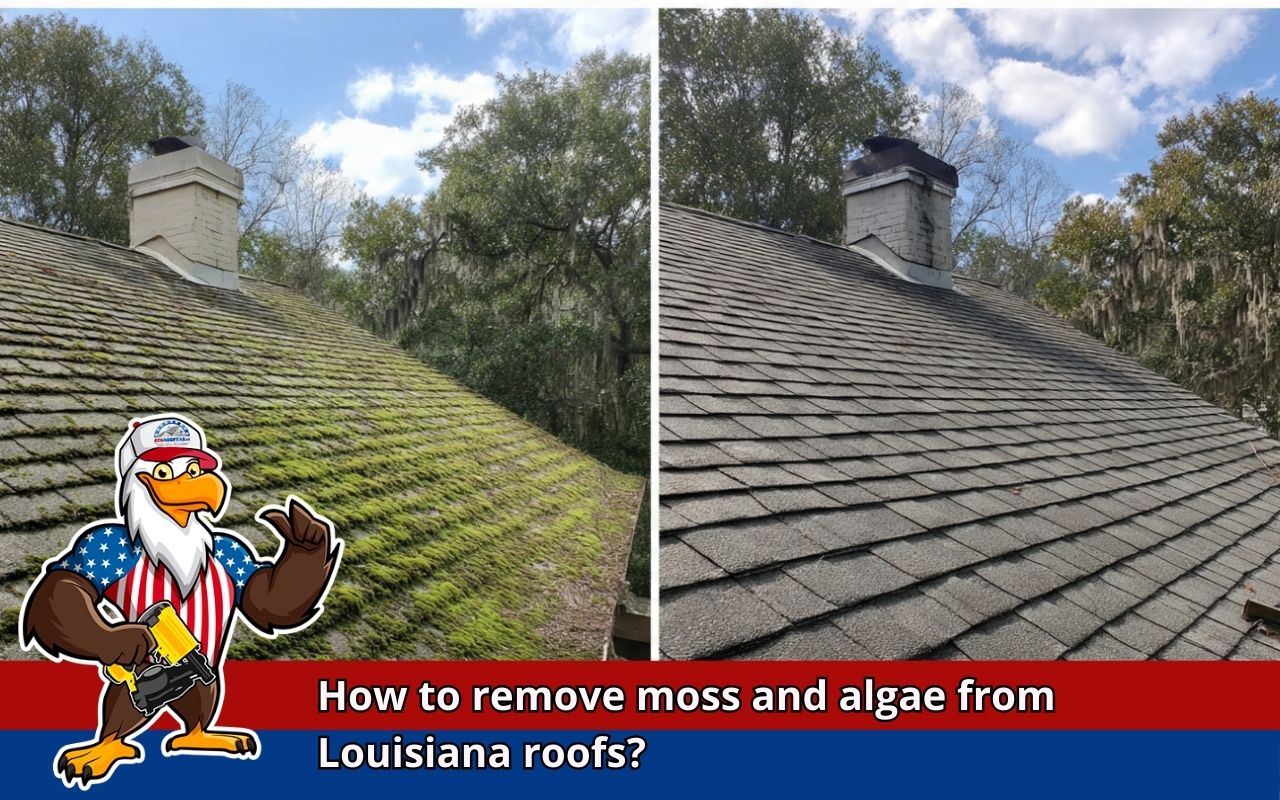
Louisiana’s heat, humidity, and shade make roofs a magnet for moss and algae. The good news: you can restore curb appeal without damaging shingles. This guide explains safe cleaning options, why soft-wash works better than pressure washing, and how zinc or copper strips help prevent regrowth. You’ll also learn what warranties typically cover and when to call a local pro.
How to remove moss and algae from Louisiana roofs?
The safest approach is low-pressure cleaning paired with roof-safe solutions. Moss and Algae Removal for Roofs in Louisiana typically works best with soft-wash methods that kill growth at the root, followed by prevention steps (like zinc/copper strips, gutter care, and shade reduction) to slow regrowth and protect shingles.
Why moss and algae thrive in Louisiana
Warm humidity plus lingering moisture creates ideal growing conditions. Morning dew, frequent rain, shaded slopes, and debris in valleys or gutters can keep shingles damp long enough for algae streaks and moss clumps to spread. North-facing areas and sections under trees are common hotspots because they dry more slowly.
Roof materials also matter: algae can feed on minerals in some roofing surfaces, while moss anchors into tiny crevices, lifting edges and trapping even more moisture.
Signs your roof needs cleaning now
Early action helps prevent premature wear and avoidable repairs. Look for:
- Green, fuzzy patches or tufts (often moss) near ridges, valleys, or shaded edges
- Dark streaks or discoloration that keeps spreading after rainy weeks
- Shingles lifting slightly or uneven edges where growth is wedged underneath
- Excess granules in gutters or downspout outlets
- Persistent damp spots where debris collects and dries slowly
Soft-wash roof cleaning: what it is and why it’s safer
Soft-wash uses low pressure and targeted solutions—so the chemistry does the work, not force. For Moss and Algae Removal for Roofs in Louisiana, this reduces the risk of stripping granules, cracking tiles, or voiding coverage tied to improper cleaning methods.
Soft-wash vs. pressure washing
- Lower risk to shingles: soft-wash avoids blasting granules loose.
- Better at stopping regrowth: treatments can neutralize spores, not just rinse the surface.
- Cleaner results on stained areas: fewer “missed” streaks that reappear quickly.
If you’re documenting upkeep for future claims, keep a maintenance log and pair it with a seasonal check using a structured checklist like the Roof Inspection Guide.
Zinc/copper prevention: keep growth from coming back
Zinc or copper strips can reduce recurring growth by creating an inhospitable surface over time. When rainwater runs over the metal, trace ions wash across shingles and help inhibit new colonies.
- Best placement: along the ridge line where runoff can spread across slopes
- Works well with: soft-wash cleanings, trimmed shade, and clear gutters
- Maintenance tip: keep strips unobstructed so runoff reaches the roof surface
For more prevention ideas that fit Louisiana weather patterns, review Roof Damage Prevention Tips.
Warranties and hiring considerations
Cleaning methods and documentation can affect warranty outcomes. Before booking a service, ask whether their process is compatible with your roof type and manufacturer guidance, and what their warranty covers if staining or growth returns within a set period.
- Service warranty: may include a retreatment window for early regrowth
- Work scope: confirm what’s included (treatment, rinse, debris clearing, plant protection)
- Proof of maintenance: save invoices and inspection notes to support future claims
Long-term roof health also depends on consistent upkeep. If you want a practical routine, follow How to Extend Roof Lifespan and schedule checkups after major storms.
How to plan a safe roof cleaning (step-by-step)
- Start with an inspection: identify moss-heavy zones, damaged shingles, and flashing concerns.
- Protect landscaping: pre-wet plants, cover delicate areas, and plan runoff control.
- Choose the right method: prioritize soft-wash over high pressure on most shingle roofs.
- Remove debris first: clear branches/leaves so treatments contact the surface evenly.
- Apply prevention: consider zinc/copper strips and reduce shade where feasible.
- Document everything: photos, dates, and notes help with warranties and future planning.
Frequently Asked Questions
How often should I schedule roof cleaning in Louisiana?
Most homes benefit from an inspection every 6–12 months, with cleaning as needed based on shade, tree coverage, and visible growth. If you want a schedule tailored to your roof type and exposure, you can request a roof evaluation and align it with your maintenance plan.
Will soft-wash damage shingles or void my warranty?
Soft-wash is generally lower risk than pressure washing because it avoids blasting granules. Warranty terms vary by manufacturer, so confirm acceptable methods and keep records. If you’re unsure how your roof should be cleaned, use the Roof Inspection Guide to document condition before and after service.
Do zinc or copper strips actually work in humid climates?
They can help reduce regrowth by discouraging new colonies over time, especially when paired with gutter cleaning and shade reduction. For the best results, combine strips with regular prevention habits from Roof Damage Prevention Tips.
What’s included in a typical roof cleaning warranty?
Many companies offer a retreatment period if growth returns within a defined window, but coverage depends on roof type, surrounding trees, and ongoing maintenance. Ask what triggers a free follow-up visit and what conditions could exclude coverage before you approve the work.
How can I get an accurate price for my roof?
Pricing usually depends on roof size, pitch, material, growth severity, and access. The fastest way to get an accurate range is to share your roof details for an estimate and confirm whether prevention add-ons (like zinc/copper strips) are included or optional.
When to call a Louisiana roofing pro
Call a pro if you see lifted shingles, soft decking spots, repeated leaks, or heavy moss in valleys. These signs can indicate trapped moisture and underlying damage—not just surface staining. If your roof is steep, high, or slippery, professional help is also the safest option. For guidance on next steps, contact a local roofing team and request an inspection plan that includes prevention.
For homeowners comparing options, Moss and Algae Removal for Roofs in Louisiana is most cost-effective when you treat growth early and pair cleaning with prevention.
References
- How to Remove Moss from a Roof—and Keep It Off (Better Homes & Gardens)