
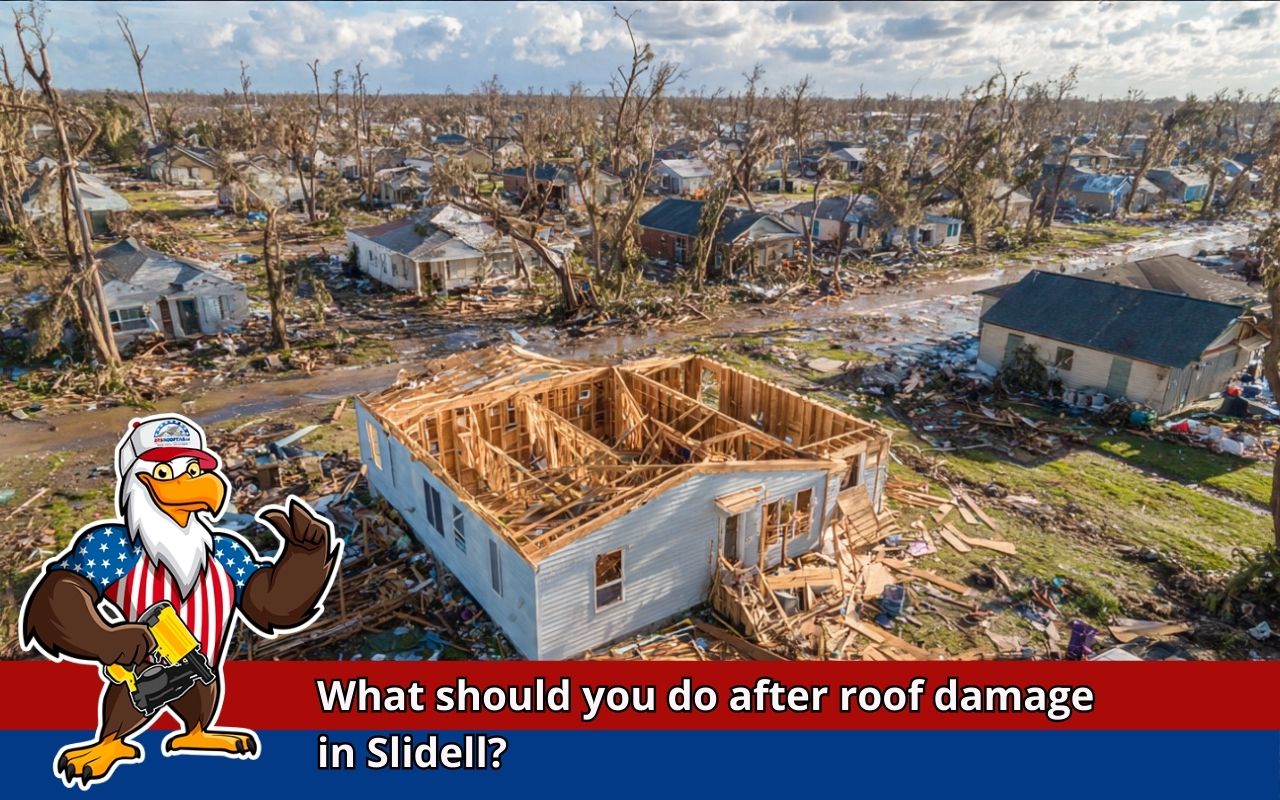
Storm damage doesn’t wait for business hours, and a compromised roof can shut down operations fast. This guide explains how commercial property owners in Slidell can stabilize leaks, protect interiors, and plan permanent fixes after severe weather. You’ll learn what a rapid response visit includes, when tarping is essential, and how next-day repairs reduce downtime and prevent costly secondary damage.
What should you do after roof damage in Slidell?
Prioritize safety, stop water entry, and document everything. For commercial buildings, isolate affected areas, protect inventory, and request Emergency Roofing Services in Slidell for tarping, leak isolation, and a repair plan. Photos, notes, and a fast inspection help reduce downtime and support insurance next steps.
Why fast emergency roofing support matters for commercial sites
When a roof fails, the “real” damage often happens indoors: soaked insulation, electrical risks, slip hazards, and business interruption. Acting quickly helps limit secondary issues like mold and structural deterioration—especially in the Northshore’s storm-prone conditions.
If water is actively entering the building, treat it as urgent. The goal is to get the structure temporarily watertight, then schedule permanent restoration without leaving the property exposed for days.
What counts as a commercial roofing emergency?
If any of these are happening, you should treat it as time-sensitive and request Emergency Roofing Services in Slidell.
- Active leaks impacting offices, tenant spaces, or inventory
- Blown-off roofing materials, punctures, or visible decking exposure
- Pooling water on low-slope systems after a storm
- Damaged flashing at parapets, HVAC curbs, skylights, or penetrations
- Ceiling sagging, dripping lights, or electrical concerns
Safety note: Avoid accessing the roof during lightning, high winds, or when surfaces are slick. Keep staff and tenants away from compromised zones.
Rapid response: what to expect in the first visit
A rapid response call focuses on immediate stabilization, not cosmetic perfection. A qualified crew should arrive prepared to reduce water entry and prevent damage from spreading.
- On-site assessment: identify entry points, wind uplift zones, and weak details
- Interior triage: isolate affected rooms, protect equipment, and reduce slip hazards
- Temporary weatherproofing: perform tarping and short-term sealing where appropriate
- Leak isolation: narrow the source so water doesn’t travel through the assembly
- Documentation: photos and notes that help guide repairs and insurance reporting
For repeat readiness, align your property team around a documented response workflow using an Emergency Roof Repair Plan.
Tarping: immediate protection that buys time
Tarping is often the fastest way to shield interiors until permanent work begins. For commercial properties, proper attachment matters—loose edges can fail quickly under gusts.
- Cover beyond the damaged zone to account for wind-driven rain
- Secure edges to prevent uplift and reduce fluttering
- Protect critical areas first: server rooms, electrical panels, and inventory zones
- Use tarping as a bridge to next-day repair, not a long-term substitute
Best practice: Request tarping that is installed to withstand additional weather and paired with a repair schedule.
Leak isolation: stop water at the source
Leak isolation limits how far moisture migrates through insulation, decking, and interior finishes. Instead of removing large areas unnecessarily, teams focus on locating and controlling the entry point.
Common leak isolation checks on commercial roofs
Roofers typically evaluate seams, penetrations, flashing transitions, skylights, vents, and rooftop equipment curbs. They may also check for debris blockages and storm-driven damage around drains and scuppers.
Result: less interior disruption, fewer tear-offs, and a clearer scope for next-day repair.
Next-day repair: restore watertight performance
Once the building is stabilized, next-day repair turns temporary protection into a durable fix. For commercial systems, this may involve membrane patching, flashing restoration, sealing penetrations, or replacing damaged materials.
What a strong next-day repair plan includes:
- Materials matched to the existing roof system and details
- Priority scheduling to reduce operational downtime
- Verification steps (photos, final walkthrough, and leak re-check)
Preventive steps that reduce emergency calls
Emergency events are unpredictable, but routine checks can reduce how often a storm becomes a shutdown. Scheduling periodic inspections can reveal loose flashing, aging sealants, and drainage issues before they become leaks.
For a pre-storm baseline and post-storm verification, schedule a Storm Roof Inspection to document conditions and prioritize repairs.
How to request emergency roofing help fast
- Move people away from leak zones and place warning signage
- Protect assets with plastic sheeting and relocate sensitive inventory
- Photograph roof and interior damage (wide shots and close-ups)
- List what you’re seeing: leak locations, time started, and affected rooms
- Request Emergency Roofing Services in Slidell and share access instructions for the site
To coordinate a rapid response visit and next-day repair options, use the contact page.
Frequently Asked Questions
Do you handle commercial buildings or only homes?
Many emergency crews support commercial properties, including offices, retail, and multi-tenant buildings. When you reach out through the contact page, share your roof type (flat/low-slope or pitched), building height, and access details so the response is properly equipped.
How fast can tarping and leak isolation be done?
Timing depends on weather, access, and the scope of damage, but stabilization work is typically prioritized as soon as conditions are safe. Tarping and leak isolation are designed to quickly reduce water entry and protect interiors until next-day repair can be completed.
Can you help with documentation for insurance or property records?
Yes—photos, notes, and inspection findings are commonly captured during emergency response. Pairing documentation with a structured Emergency Roof Repair Plan helps keep stakeholders aligned and supports clearer repair scopes.
What should we do if water is dripping near lights or electrical panels?
Keep people out of the area and contact a licensed electrician immediately. Roofing work can reduce water entry, but electrical hazards require specialized handling. You can still request emergency stabilization through the contact page while your team addresses safety.
Should we schedule an inspection even if the leak stopped?
Yes. A leak that “stops” may still indicate trapped moisture or compromised flashing that can re-open with the next rain. A Storm Roof Inspection helps confirm the cause and prevents repeat disruptions.
References
-
The Spruce: Home updates to prepare for extreme weather
-
Southern Living: What to do before the first hurricane of the season