
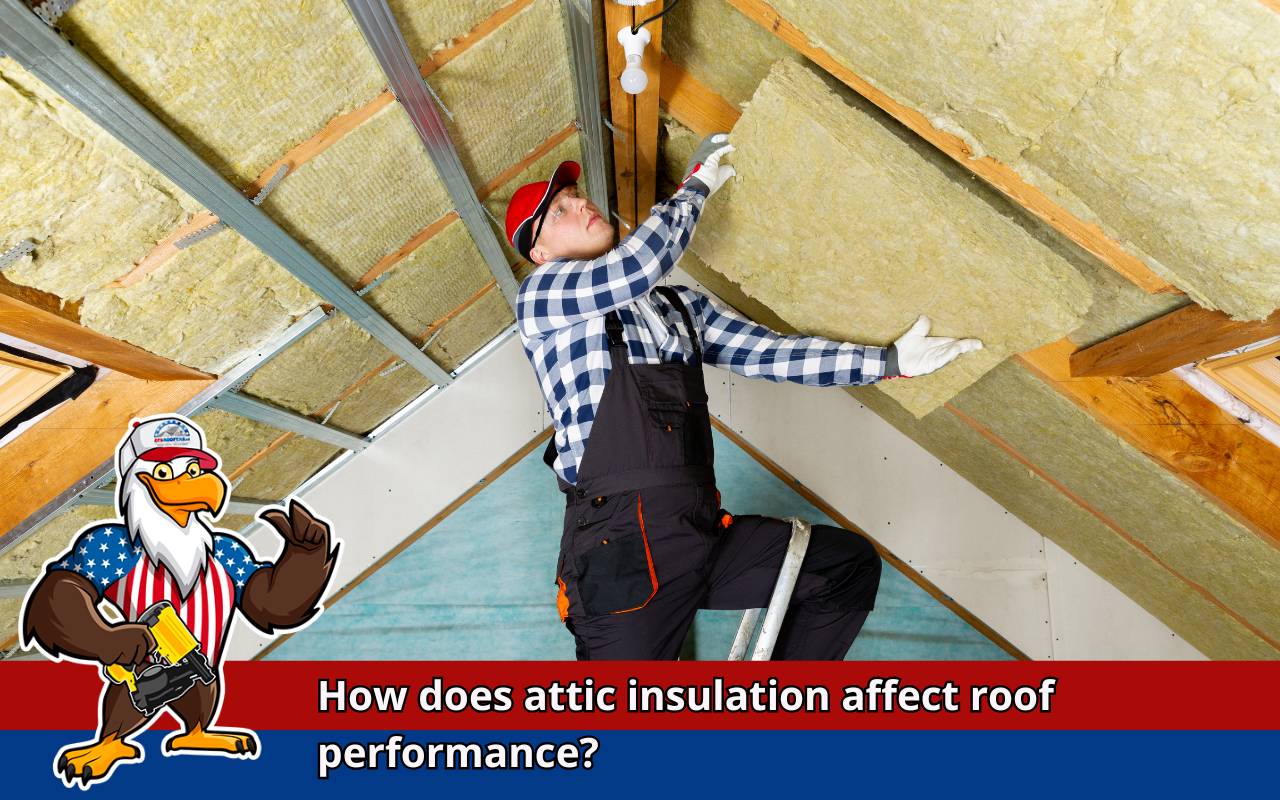
Attic insulation plays a bigger role in your roof’s health than most homeowners realize, especially in hot, humid climates. The right materials, R-values, and ventilation balance can protect your shingles, structure, and indoor comfort. This guide explains how insulation impacts roof performance, energy bills, and moisture control so you can make smarter, longer-lasting decisions for your home and your roof.
How does attic insulation affect roof performance?
Attic insulation affects roof performance by regulating heat flow, limiting condensation, and supporting proper ventilation balance. In humid climates, good insulation with appropriate R-values keeps the roof deck warmer and drier, reduces mold risk, protects shingles, and helps your HVAC system run more efficiently, lowering energy bills.
Importance of attic insulation in humid climates
Maintaining strong Attic Insulation Roofing Performance in humid regions is about much more than comfort. Warm, moist indoor air naturally rises and can condense on a cool roof deck, soaking sheathing and rafters. Without a proper insulation layer, this repeated wetting can lead to wood rot, mold, and long-term structural issues.
Well-installed attic insulation creates a buffer between conditioned rooms and the unconditioned roof space. By keeping temperature swings under control, you reduce condensation risk and protect the roof assembly. It also lightens the load on your HVAC system, cutting utility costs while improving indoor comfort.
- Reduce moisture damage: Limit condensation on roof sheathing and framing.
- Improve comfort: Keep upstairs rooms closer to the temperature you set.
- Lower energy bills: Help your AC and heating run shorter, more efficient cycles.
- Protect shingles: Avoid excessive attic heat that bakes roofing from below.
In very damp regions, pair insulation upgrades with education on the effects of humidity on roofing so your entire system works together.
Understanding R-values for attic insulation
R-values describe how well insulation resists heat flow: the higher the number, the better the resistance. In hot, humid climates, you want enough R-value to slow heat gain without making the roof deck so cold that it invites condensation. Choosing R-values that match your climate is central to Attic Insulation Roofing Performance.
Building codes typically recommend higher R-values in southern and coastal zones to handle intense solar heat. Following or slightly exceeding these recommendations often provides the best balance of energy savings and moisture control.
- Check local code: Many humid-climate attics fall in the R-30 to R-38 range or higher.
- Think whole system: Combine R-values with good air sealing and ventilation balance.
- Plan for future: Leave room to add more insulation later if needed.
As you compare products, weigh upfront cost, ease of installation, and long-term performance—not just the label R-value.
Moisture control strategies for attics
In humid climates, effective moisture control is just as important as the insulation itself. Your goal is to stop moist indoor air from reaching cold surfaces and to give any trapped moisture a path to dry out.
- Seal air leaks: Use caulk or spray foam around light fixtures, plumbing penetrations, wiring holes, and the attic hatch.
- Add vapor control where needed: In many homes, a properly placed vapor retarder on the warm-in-winter side of insulation can reduce condensation risk.
- Protect bath and kitchen fans: Duct them to the exterior, never into the attic.
- Monitor humidity: Use a hygrometer; aim to keep indoor relative humidity around 40–50%.
Regular attic checks are essential. Look for dark staining, musty smells, rusty nails, or damp insulation. If you suspect a broader humidity issue, combine attic fixes with whole-home strategies like exhaust fans and dehumidification.
Ventilation systems and their impact on roof performance
Even the best insulation struggles if attic ventilation balance is off. Fresh air should enter at soffit vents and exit at ridge or roof vents, constantly flushing out heat and moisture. This flow helps keep the roof deck closer to outdoor conditions, reducing the chance of condensation on cold surfaces.
When ventilation is inadequate, hot, humid air becomes trapped under the roof. Shingles can overheat and age prematurely, and moist air may condense on the underside of the deck, feeding mold and decay. Too much venting without enough insulation, on the other hand, can make the house harder to cool.
When ventilation balance and Attic Insulation Roofing Performance work together, you get more stable attic temperatures, longer-lasting shingles, and a more comfortable home overall.
Common mistakes to avoid when insulating your attic
Small errors during an attic project can cause big moisture and comfort problems later. Avoid these common pitfalls to keep your insulation and roof performing as designed.
- Ignoring air leaks: Skipping air sealing around penetrations allows warm, moist air to bypass insulation and hit cold surfaces.
- Blocking soffit vents: Pushing batts or loose-fill tightly into eaves can choke ventilation and trap humidity.
- Undershooting R-values: Installing less insulation than your climate requires can undermine Attic Insulation Roofing Performance and raise your energy bills.
- Covering damp materials: Insulating over wet wood or existing mold locks in moisture and accelerates damage.
Before adding insulation, confirm the roof is sound, leaks are repaired, and vents are clear. If you’re unsure, follow a complete roof inspection guide or request a professional assessment.
Choosing the right type of insulation material
Different materials manage heat, moisture, and air movement in different ways. Your ideal choice depends on budget, climate, and how severe your moisture risks are.
Fiberglass batts are affordable and familiar, ideal for open joist bays when properly cut and fitted. However, they perform poorly if compressed or installed with gaps. Blown-in cellulose excels at filling irregular spaces and around obstacles, though it may settle over time and must be kept dry to maintain R-values.
For high moisture and air-leak concerns, many homeowners consider closed-cell spray foam. It offers excellent air sealing, high R-value per inch, and inherent moisture resistance, making it valuable in hot, humid climates when installed by an experienced contractor.
Whatever you choose, ensure it complements your home’s ventilation balance and existing moisture control strategies rather than fighting them.
DIY vs. professional installation: pros and cons
DIY projects can be tempting when you’re trying to reduce costs. Rolling out batts or renting a blower for loose-fill insulation is achievable for many handy homeowners. You can work in phases, targeting the most accessible areas first.
However, professionals bring training, safety equipment, and an eye for building-science details. They can design an insulation plan that achieves the right R-values, preserves ventilation balance, and maximizes Attic Insulation Roofing Performance across the entire roof system.
Professional crews also spot hidden issues—like minor roof leaks, bath fan misrouting, or structural concerns—before they grow. If you’re unsure which approach fits your home, you can contact our roofing team for tailored guidance.
Signs of poor attic insulation and how to address them
Uneven temperatures are often the first clue that attic insulation is struggling. If rooms directly under the roof feel stuffy in summer and chilly in winter, heat is moving too freely through the ceiling. Drafts around attic hatches or recessed lights add to the problem.
Moisture symptoms are equally important. Look for ceiling stains, peeling paint, musty odors, or visible mold on rafters. Frost or water droplets on nails and sheathing during cold snaps are a clear sign of condensation problems.
If Attic Insulation Roofing Performance is failing, start by sealing air leaks and confirming that vents are unobstructed. Then, upgrade insulation to reach appropriate R-values for your climate, considering materials with better moisture resistance where needed. In more complex cases, schedule a professional inspection and pair corrections with a planned maintenance routine.
Maximizing energy efficiency through attic insulation
A well-designed attic assembly can dramatically cut heating and cooling costs. By slowing heat transfer and controlling moisture, insulation helps HVAC systems cycle less often and operate more efficiently. That means lower utility bills, fewer hot and cold spots, and a quieter, more comfortable home.
Attic Insulation Roofing Performance also matters for sustainability. A tighter, better-insulated home uses less energy and reduces its carbon footprint over time. Combine insulation upgrades with smart ventilation balance, sealed ductwork, and regular roof maintenance to protect your investment and your comfort for years to come.
When you’re planning energy upgrades, it often makes sense to coordinate attic work with other improvements, like addressing humidity issues or strategies to extend your roof lifespan.
Frequently Asked Questions
Should I upgrade attic insulation before replacing my roof?
In many humid-climate homes, upgrading attic insulation and moisture control before or during a roof replacement is ideal. It lets your contractor coordinate ventilation balance, underlayment, and insulation depth in one plan. If you’re planning both projects, discuss them together and use your next roof inspection guide as a starting point.
How do I know if my humid-climate attic needs professional help?
Call a pro if you see mold, recurring ceiling stains, or feel extreme temperature differences between floors. These usually signal deeper issues with R-values, moisture control, or ventilation balance. A specialist can recommend repairs and, if needed, you can contact our roofing team to schedule a detailed attic evaluation.
Can I just add more insulation on top of what I have?
You can often safely add more insulation, but only after confirming the attic is dry and well ventilated. Never bury damp materials or active leaks. First seal air gaps, check soffit vents, and verify bath fans vent outdoors. If everything is dry and clear, topping up to the recommended R-values can meaningfully improve comfort and efficiency.
What type of insulation is best for humid climates?
No single material is “best” everywhere; the right choice depends on your attic design and moisture risks. Fiberglass, cellulose, and spray foam can all work if installed correctly. Homes with complex air leaks or high humidity often benefit from professionally installed spray foam or hybrid systems that combine air sealing, R-values, and moisture control.
How often should my attic and roof be inspected?
In humid climates, aim for at least one attic and roof check per year, plus after major storms. Look for moisture, insulation gaps, and ventilation obstructions. Pair self-checks with a periodic professional visit using a structured roof inspection guide so issues are caught early, before they impact your comfort or budget.
How to optimize attic insulation in humid climates
- Inspect the attic and roof: Check for leaks, stains, mold, or damaged materials before any upgrade.
- Seal air leaks: Use caulk or foam around penetrations, recessed lights, and the attic hatch.
- Evaluate ventilation balance: Confirm soffit vents are open and paired with ridge or roof vents.
- Choose proper R-values: Match recommended R-values for your climate zone and roof design.
- Select moisture-smart materials: Consider closed-cell spray foam or well-detailed fiberglass/cellulose systems.
- Install insulation carefully: Avoid compressing batts, blocking vents, or leaving gaps around framing.
- Monitor and maintain: Recheck the attic seasonally and contact our roofing team if you notice new moisture or comfort issues.
References
- Which home energy upgrades will save you money? We did the math. – The Washington Post
- Why never to ignore wet loft insulation – Homebuilding & Renovating